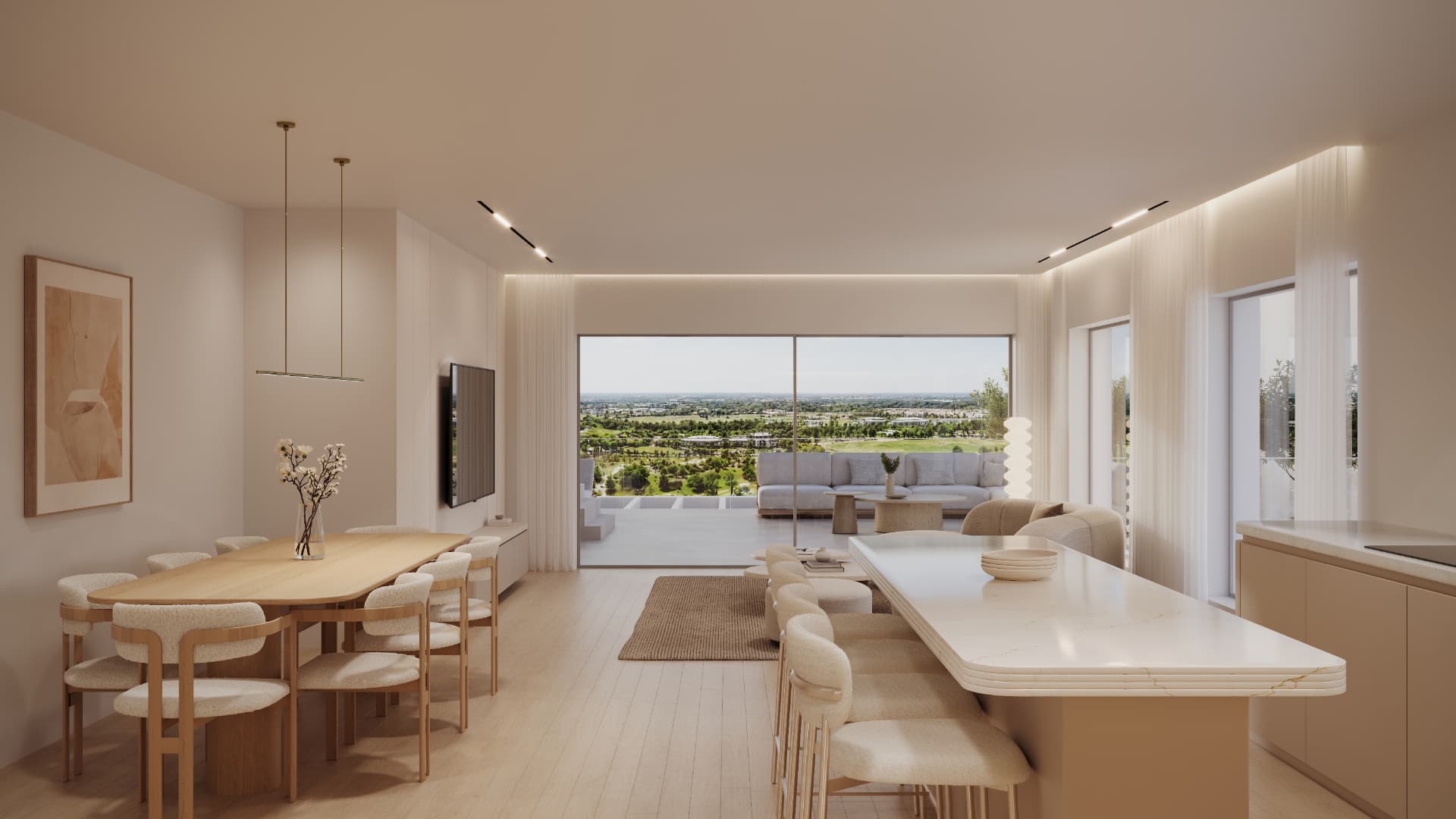

Architectural Visualization Pricing: What Actually Drives the Cost
Why two quotes for the same project can look completely different, which parameters drive pricing, and how to write a brief that prevents surprises later.
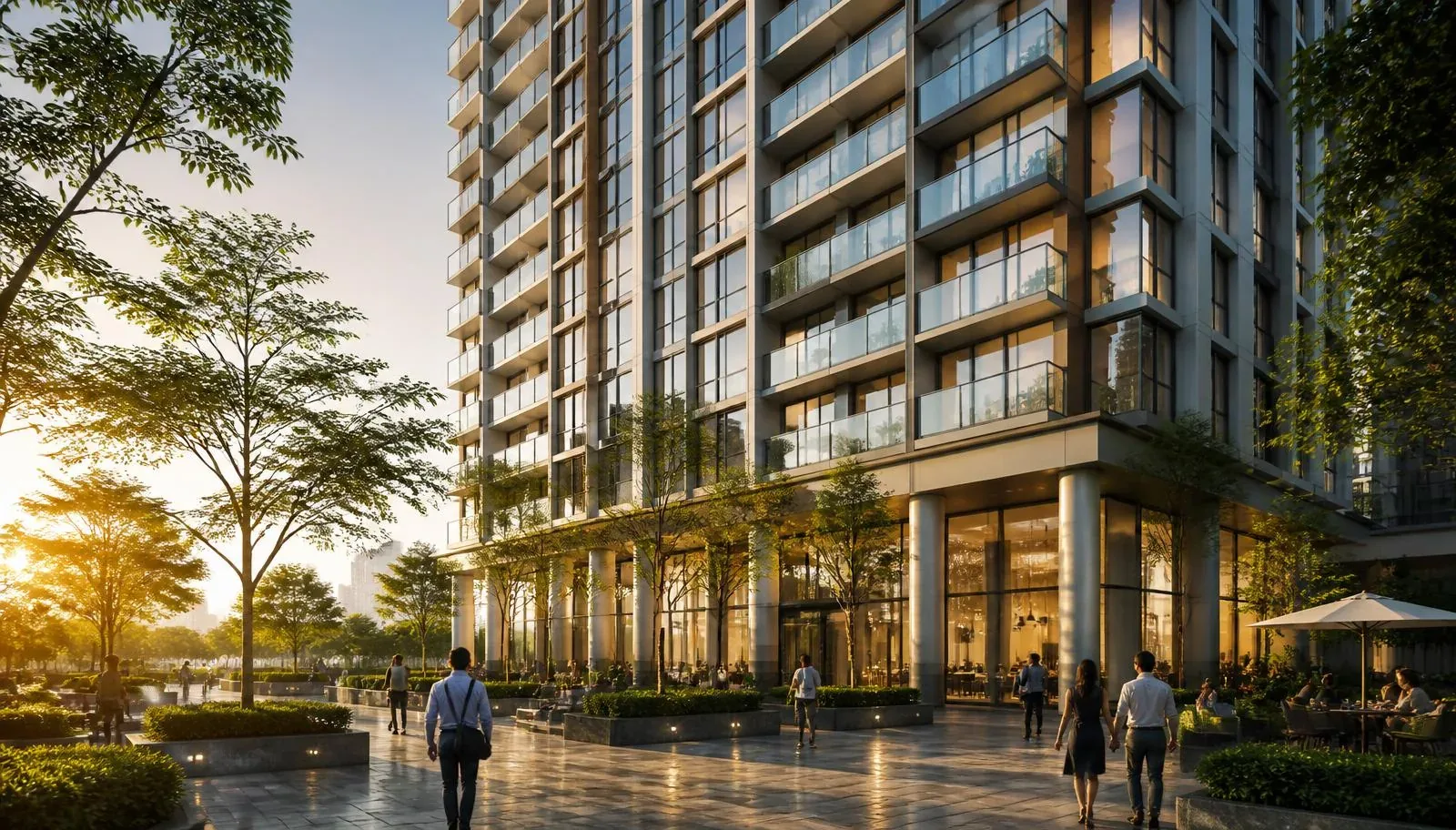
One of the first questions on any project is what an architectural visualization costs. The honest answer is that there is no single rate — pricing follows scope and level of detail, which is why two quotes for the same project can look nothing alike. Instead of guessing numbers, it helps to understand what makes up the price so you can compare quotes on a real basis.
1. Type of visualization. A single interior room, an exterior render of a tower with full landscaping, and an animated flythrough are three very different levels of work. Video and interactive tours also require building the complete model and rendering time, not just one camera angle.
2. Number of images. The more angles produced from the same model, the lower the cost per image, because the heavy work — modelling, materials and lighting — is already done. Plan the image package up front rather than ordering piecemeal.
3. Quality of the brief and source files. Clean plans, sections and a finish schedule shorten production considerably. Partial material or design changes mid-way create rework, and rework is priced.
4. Detail and realism. Full landscaping, people, detailed vegetation, complex reflections and evening lighting all increase both artist time and render time.
5. Number of revision rounds. Most agreements include a defined number of rounds. Extra rounds — especially composition changes after angles were approved — are quoted separately. That is exactly why early angle approval saves money.
6. Timeline. Rush work displaces other projects and usually carries a premium.
7. Usage rights. Website and social use is not the same as outdoor billboards or a broad campaign; define this in the agreement up front.
Writing a brief that prevents surprises: state how many images and in which aspect ratios, which spaces, which finishes, whether day and evening variants are needed, the timeline, how many revision rounds are included, and the scope of usage rights. A quote that itemises these is comparable; a one-line quote is not.
One last question worth asking before comparing prices: what role does this visualization play in the sales funnel? If it replaces a show apartment or becomes the base for a 360° tour, the investment is measured against real cost savings and a shorter sales cycle — not just against a price per image.
INNOVISION VR is happy to help you build a precise brief and match a package to your specific project — interior renders, 360° tours or full VR.
Our services
- VR Tours for Real Estate
- Smart Project Websites
- Interior Renders for Real Estate
- Exterior Renders for Real Estate
- Architectural Visualization: Interior and Exterior Renders
- Virtual Tours for Real Estate Projects
- 360° Apartment Tour
- VR for Real Estate Developers
- Sales Office VR Experience
More articles
- Apartment and House Renders: How Architectural Visualization Sells a Property Before It Exists
- Architectural Visualisation for Developers and Contractors: Renders That Shorten the Sales Cycle
- Interior and Exterior Renders: The Complete Guide for Real Estate Projects
- The Future of Real Estate Sales Is Here: VR Solutions, Virtual Tours and Renders
* The content of this article is general information only and does not constitute a commitment, professional advice, or a binding offer. Results may vary between projects and clients. Nothing herein replaces individual professional advice. INNOVISION VR is not responsible for decisions made based on this content.