Real Estate Marketing Ideas: A Practical Guide for Developers & Agents
A long-form guide to innovative real estate marketing — from VR tours and 3D visualization to project sites, social campaigns and lead nurturing that actually shortens the sales cycle.
Real estate marketing has moved far beyond a glossy brochure and a static render. Buyers research online long before they call, compare projects side by side, and expect to understand a home before ever setting foot on site. This guide collects the marketing ideas that consistently work for developers, agents and marketing agencies — with a focus on what technology genuinely changes about the sales process.
1. Lead with an immersive VR tour. The single strongest differentiator for a listing or a pre-construction project is letting the buyer walk the space. An interactive VR tour puts the buyer inside the apartment at eye level: they move between rooms, step onto the balcony, look out the actual window view, and get a feel for proportions no floor plan can convey. For projects still under construction, this replaces (or dramatically reduces the cost of) a physical show apartment.
2. Publish a browser-based 360° tour on every listing. Full VR is powerful in a sales office; a 360° tour is what scales online. It loads in seconds, works on any phone, and can be embedded directly in the project site, a portal listing, or an email. Listings with an embedded 360° experience typically hold attention far longer than image galleries — and dwell time is one of the clearest early signals of buying intent.
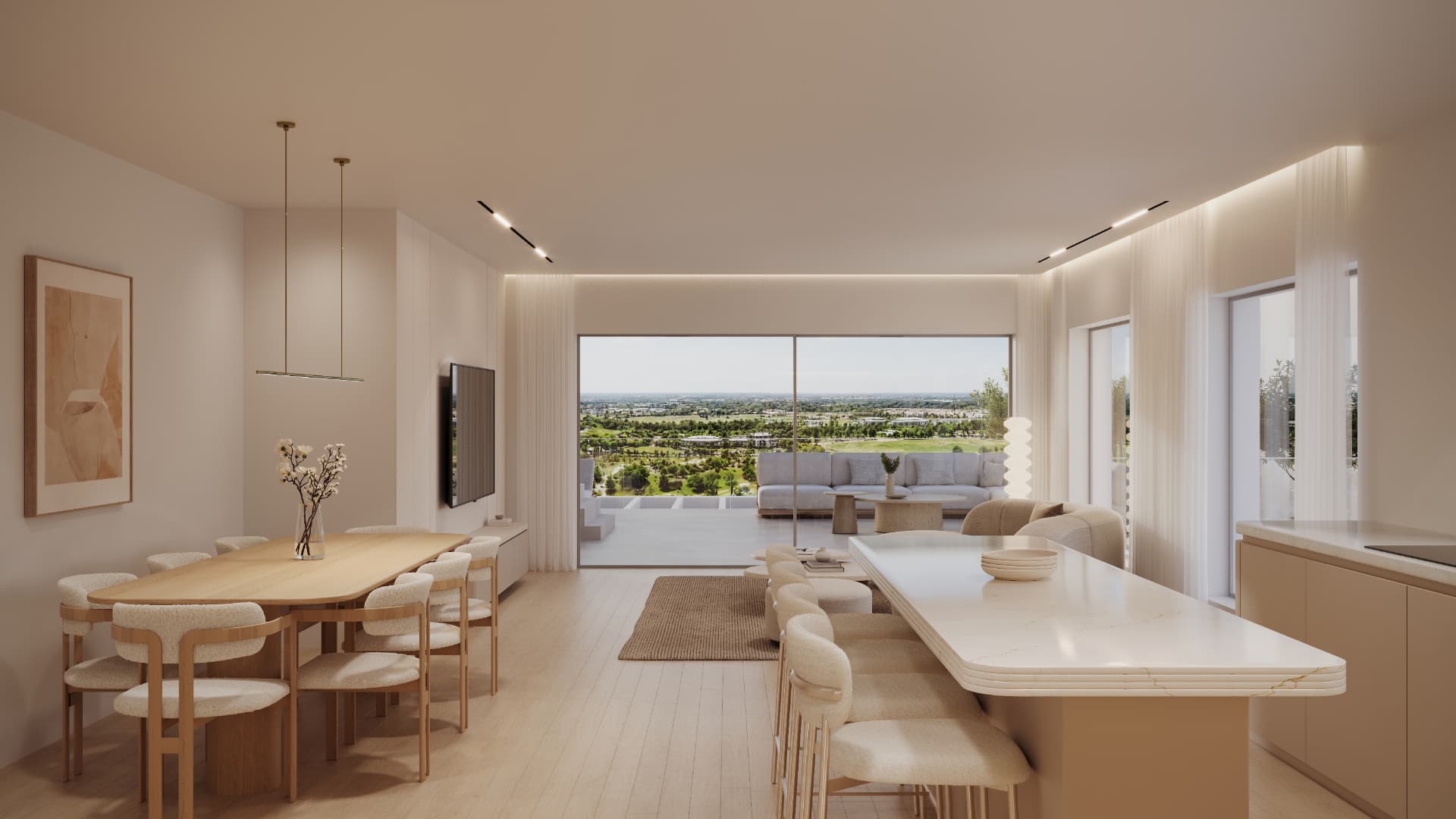
3. Use 3D visualization to sell the lifestyle, not just the layout. High-quality interior renders let you show finishes, furniture packages and lighting at different hours of the day. Producing several design variants of the same unit lets you speak to different buyer profiles — young families, investors, downsizers — from one 3D model.
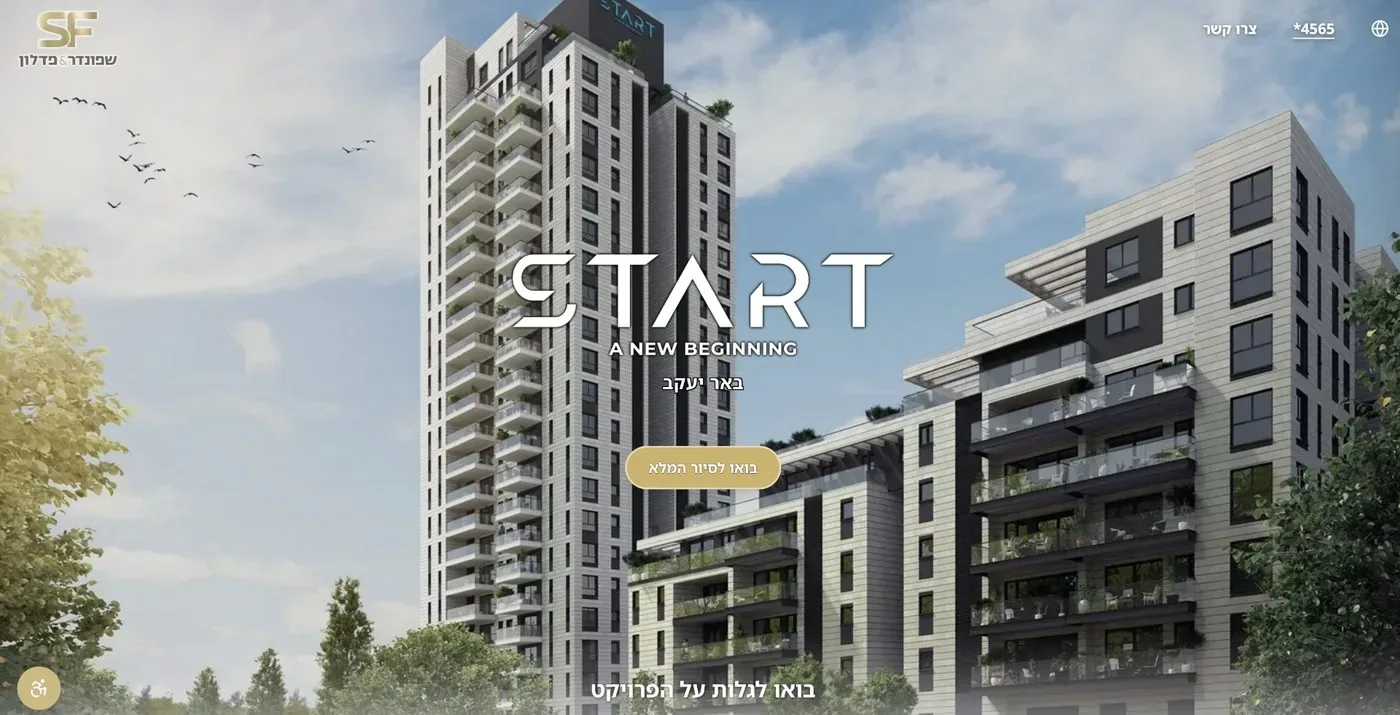
4. Build a dedicated project website with live apartment selection. A project site that shows real availability, floor-by-floor selection, pricing tiers and an embedded tour turns passive browsing into a qualified lead. It also gives external brokers a single professional tool to sell with.
5. Cut your visual assets into social content. A VR or 360° production is a content library: short vertical clips for Reels and Stories, window-view flythroughs, before/after finish swaps. Motion outperforms static renders on every social platform, and the same assets feed paid campaigns without new production costs.
6. Make the tour the call to action in email and paid ads. Replace 'Learn more' with 'Walk the apartment'. A tour link is a far stronger promise than a landing page, and click-through on tour-led creative is consistently higher.
7. Qualify leads with the experience itself. A buyer who completed a virtual tour and then left their details has already self-selected. Sales teams get fewer, better conversations — and meetings start from questions about contracts and finishes rather than basic layout.
8. Bring immersive experiences to expos and the sales office. A VR corner with a headset is a reliable magnet at real estate expos, and it gives your sales team a memorable moment to anchor the follow-up conversation.
9. Measure what matters. Track tour opens, average time in tour, most-viewed units and tour-to-lead conversion alongside standard campaign metrics. These numbers tell you which units need repositioning and which creative deserves more budget.
Putting it together: the highest-performing projects treat VR and 3D not as an add-on but as the spine of the marketing funnel — discovery on social, exploration in a 360° tour on the project site, and conviction in full VR at the closing meeting. That is where the measurable gains in sales-cycle length and buyer confidence come from.
INNOVISION VR produces interactive VR tours, browser-based 360° experiences, interior renders and project websites for developers and marketers across Israel.
Our services
- VR Tours for Real Estate
- Smart Project Websites
- Interior Renders for Real Estate
- Exterior Renders for Real Estate
- Architectural Visualization: Interior and Exterior Renders
- Virtual Tours for Real Estate Projects
- 360° Apartment Tour
- VR for Real Estate Developers
- Sales Office VR Experience
More articles
- Apartment and House Renders: How Architectural Visualization Sells a Property Before It Exists
- Architectural Visualisation for Developers and Contractors: Renders That Shorten the Sales Cycle
- Interior and Exterior Renders: The Complete Guide for Real Estate Projects
- The Future of Real Estate Sales Is Here: VR Solutions, Virtual Tours and Renders
* The content of this article is general information only and does not constitute a commitment, professional advice, or a binding offer. Results may vary between projects and clients. Nothing herein replaces individual professional advice. INNOVISION VR is not responsible for decisions made based on this content.