
7 Real Estate Visualization Mistakes That Cost You Buyers
A strong architectural render sells apartments; a weak one does damage. These are the most common mistakes developers, contractors and marketers make — and how to avoid them.
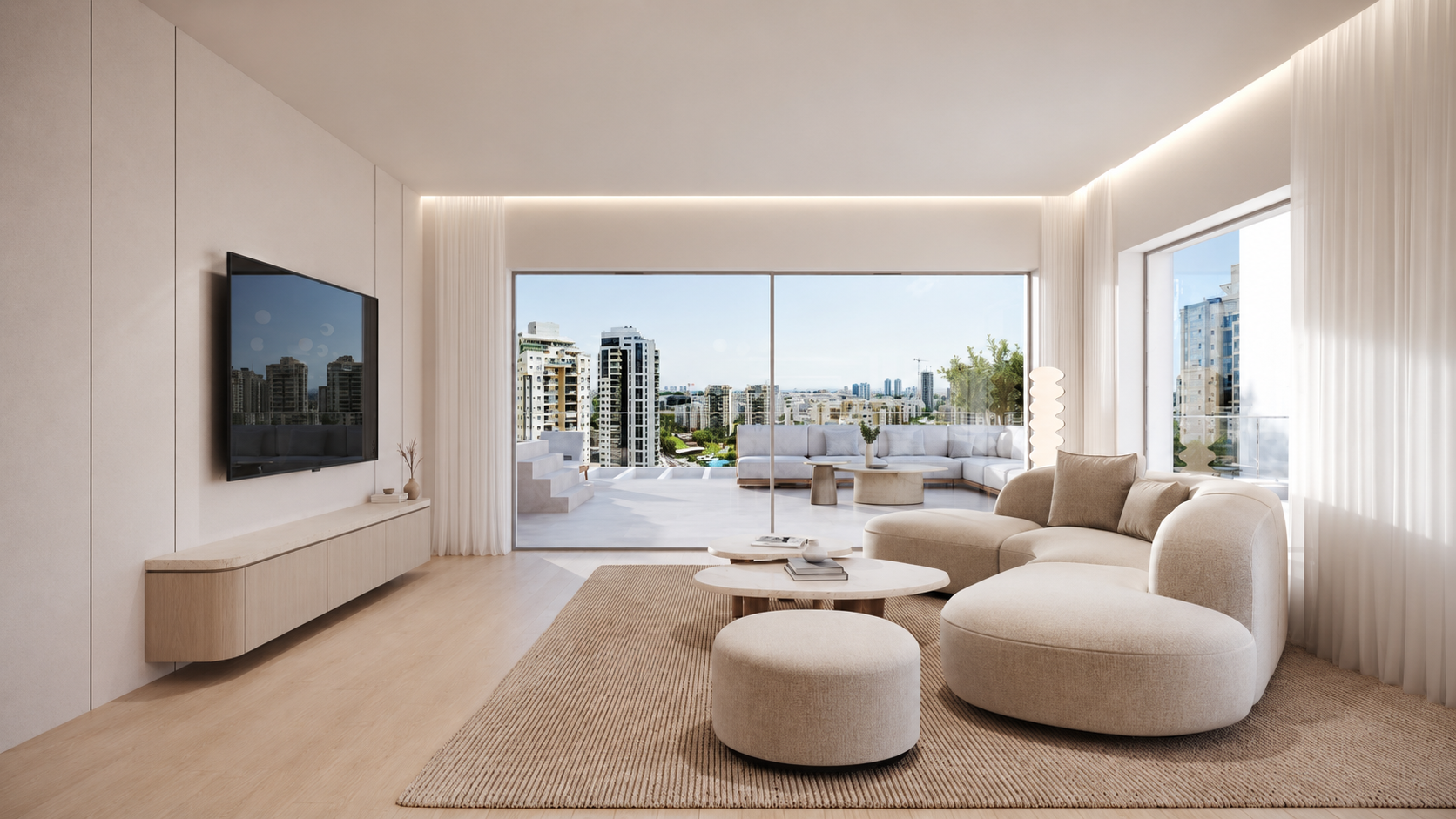
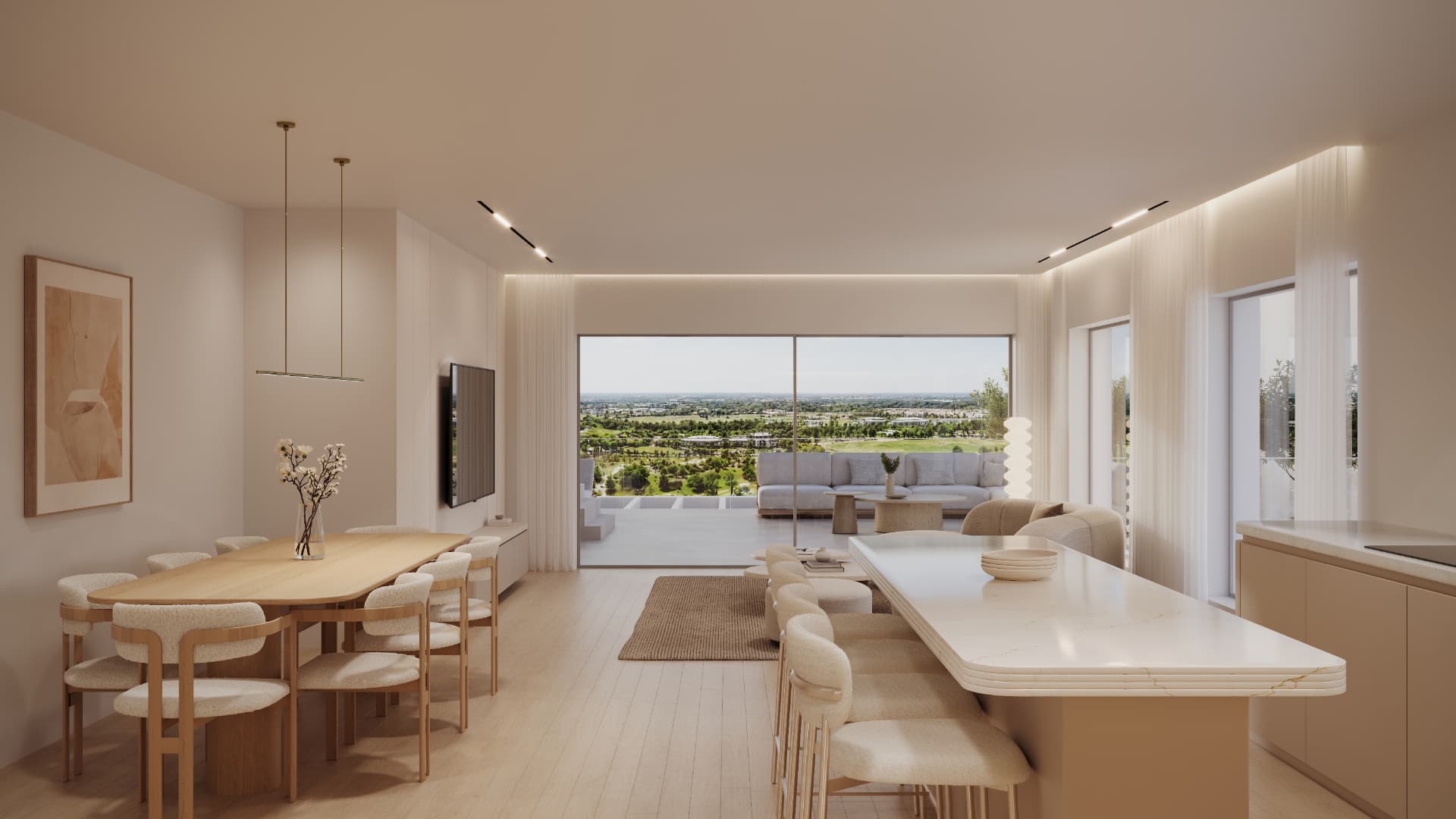
Real estate renders are now the first marketing asset a buyer sees — before the website, the brochure or the sales office visit. When they work, they create desire and speed up decisions; when they fail, they do not just waste budget — they create doubt. We have collected the seven most common mistakes we see on projects, and how to avoid them from the start.
Mistake 1: ordering renders before plans are final. Once the 3D model is built, changing the plan costs far more than changing a drawing. The fix: confirm the architect has supplied up-to-date plans and sections, and lock any design changes before the studio moves into detail work.
Mistake 2: choosing camera angles that highlight the wrong things. An angle that makes a room look like a corridor, hides the view or shows only furniture is not selling the apartment. The fix: approve clay/grey compositions before final rendering, and think about what the buyer wants to see: openness, natural light, view and correct proportions.
Mistake 3: a generic or unrealistic view. A buyer who visits the sales office and discovers the balcony view is not what was promised loses trust instantly. The fix: give the studio the building's exact location, reference photos from the right height and make sure the real surroundings are modelled, even if they are less impressive.
Mistake 4: finishes that will not be delivered. A render with Italian marble floors, a luxury modular kitchen or brass fittings — when the actual spec is basic — is a recipe for complaints. The fix: only render what is in the finish schedule, and add labelled 'upgrade option' variants if you want to show premium finishes.
Mistake 5: ordering one image at a time. Every image looks like a separate production, but the same 3D model can produce a living room, bedroom, balcony and even a 360° tour. The fix: plan a package up front — it lowers the per-image cost and keeps the visual identity consistent across all sales material.
Mistake 6: forgetting the phone. More than half of visitors come from mobile, and a render that loads slowly or has tiny text is dropped within seconds. The fix: request media-ready versions — vertical for Stories and Reels, wide for banners, compact for the site — and test loading on real phones before launch.
Mistake 7: adding a virtual tour only at the end. Many projects add VR or 360° after the still renders are done, then discover they could have avoided duplicate production. The fix: plan the content package in the brief — images, 360° tour and social assets — all from one model.
Summary: a good architectural render is an investment that pays off when it supports the whole sales journey. The way to get a strong result is a precise brief, early angle approval, fidelity to the finish schedule and planning a complete content package — not a chain of one-off orders.
INNOVISION VR guides developers, contractors and real estate marketers through every stage of producing renders, virtual tours and project websites. Want us to build a complete content package for your next project? Talk to us.
Our services
- VR Tours for Real Estate
- Smart Project Websites
- Interior Renders for Real Estate
- Exterior Renders for Real Estate
- Architectural Visualization: Interior and Exterior Renders
- Virtual Tours for Real Estate Projects
- 360° Apartment Tour
- VR for Real Estate Developers
- Sales Office VR Experience
More articles
- Apartment and House Renders: How Architectural Visualization Sells a Property Before It Exists
- Architectural Visualisation for Developers and Contractors: Renders That Shorten the Sales Cycle
- Interior and Exterior Renders: The Complete Guide for Real Estate Projects
- The Future of Real Estate Sales Is Here: VR Solutions, Virtual Tours and Renders
* The content of this article is general information only and does not constitute a commitment, professional advice, or a binding offer. Results may vary between projects and clients. Nothing herein replaces individual professional advice. INNOVISION VR is not responsible for decisions made based on this content.